Saving Guam Rails
In 1987, only 21 Guam Rails remained after their population was nearly driven to extinction by an invasive species. The Guam Rails were rescued and brought into human care in a last ditch effort to save the species. Several of the rails made their way to a limited number of Association of Zoos and Aquariums (AZA) accredited zoos in the United States. In human care, experts developed standards for caring for and breeding this species, collaborating to share insights and ensure the genetic stability of this small population of Guam Rails. Over 30 years later, populations of Guam Rails that had been in the care of AZA facilities are thriving in the wild on islands near Guam.
This success was possible because of the Guam Rail Species Survival Plan® (SSP). SSP Programs enable AZA member institutions to collaborate on the care and breeding of species, share best practices, and work together to keep the genetics of species in human care diverse and healthy. SSP Programs work under the supervision of a Taxon Advisory Group to coordinate efforts among AZA member institutions and with worldwide conservation partners. More than 80 species at the National Aviary are part of an SSP Program.
SSP Programs have been critical to the conservation of species like Guam Rails, which is only the second bird species to move from being Extinct in the Wild to Critically Endangered. Through participation in the SSP, the National Aviary was able to raise more Guam Rails than any other North American AZA-accredited facility, and many of the birds raised at the National Aviary are now living in the wild.
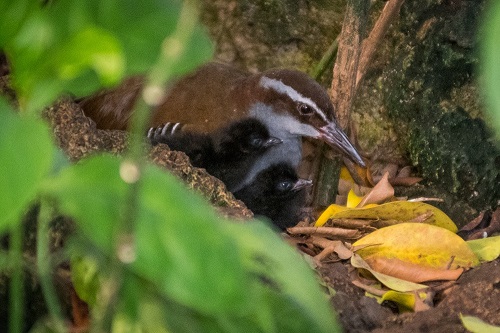
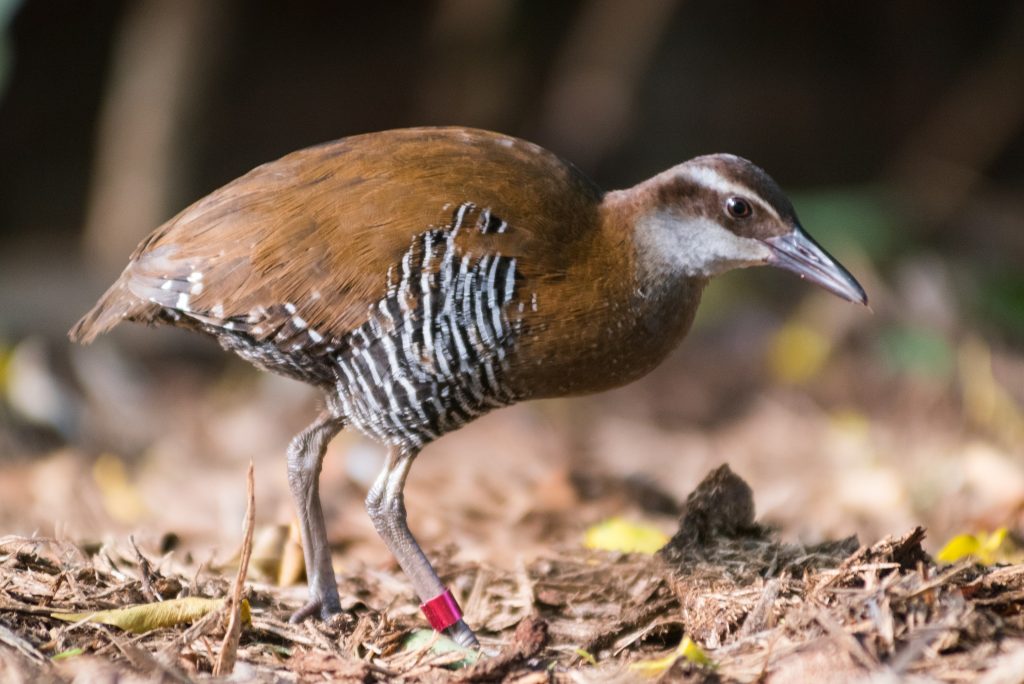
See if you can spot a Guam Rail in the National Aviary’s Tropical Rainforest habitat during your next visit. Learn how the National Aviary and other accredited facilities are working to save the Guam Rails island counterparts, Guam Kingfishers.
Donate Today