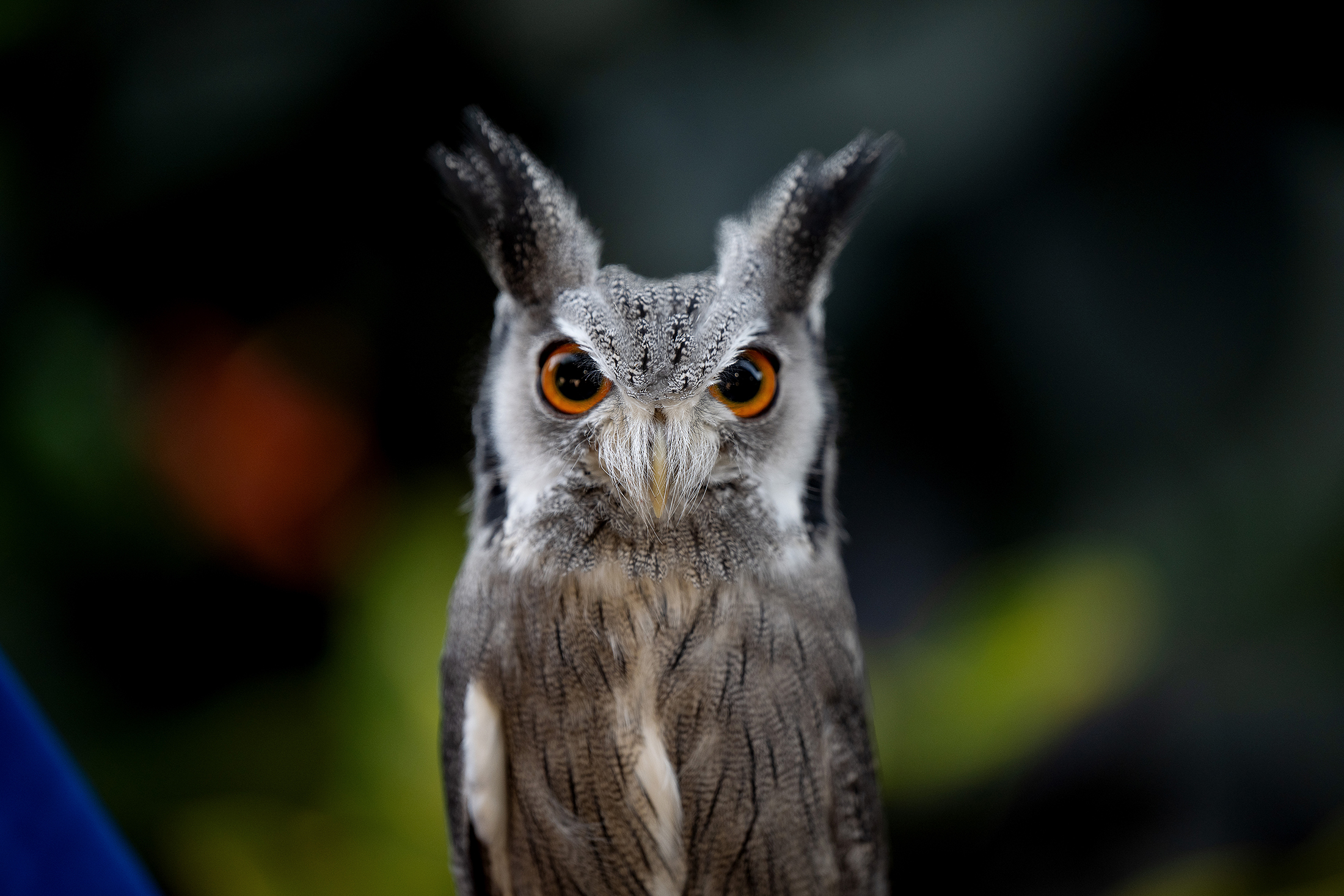
Northern White-faced Owls stand at about ten inches tall, comparable in size to Eastern Screech-Owls. They are distinguished by their prominent ear tufts and a striking white facial disc outlined by a thick black border. The body of the Northern White-Faced Owl is predominantly light gray-brown, adorned with delicate streaks and vermiculation’s – or markings…
Read More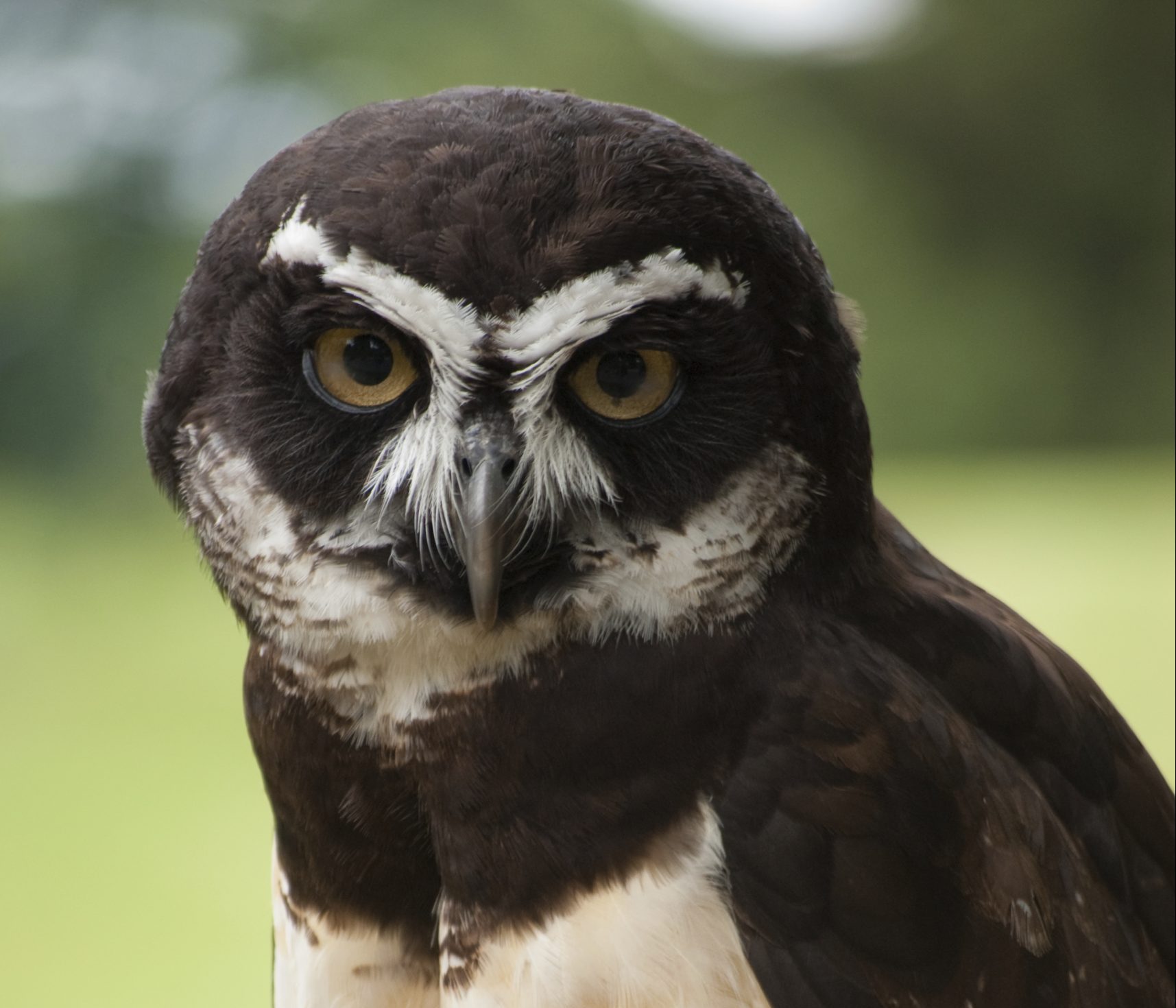
Adult Spectacled Owls are distinctive for their brown upperparts and head with whitish face markings resembling a pair of glasses. As juveniles, their facial markings are the complete opposite—pure white except for a chocolate brown facial disc! This distinctive species can be found throughout Central and South America in dense rainforest habitats. The call of…
Read More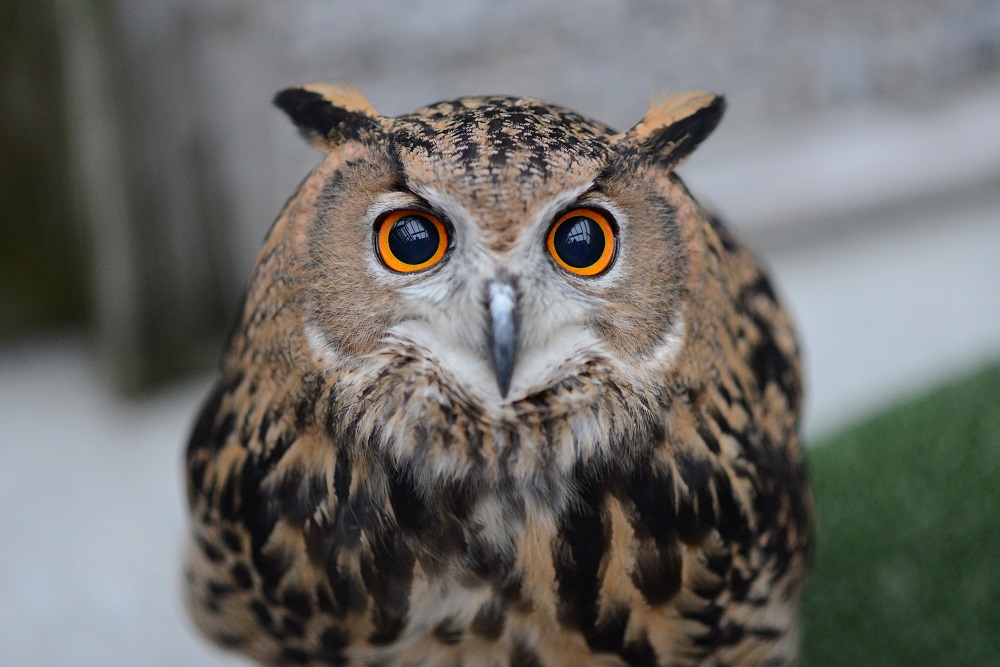
Eurasian Eagle-Owls have the largest wingspan of any owl species, reaching a whopping 6.5 feet! This species is widely distributed across Europe and Asia, and frequents a variety of habitats, from coniferous forests to grasslands and deserts. Eurasian Eagle-Owls are powerful flyers and soar on updrafts, similar to the flight style of many hawks. They…
Read More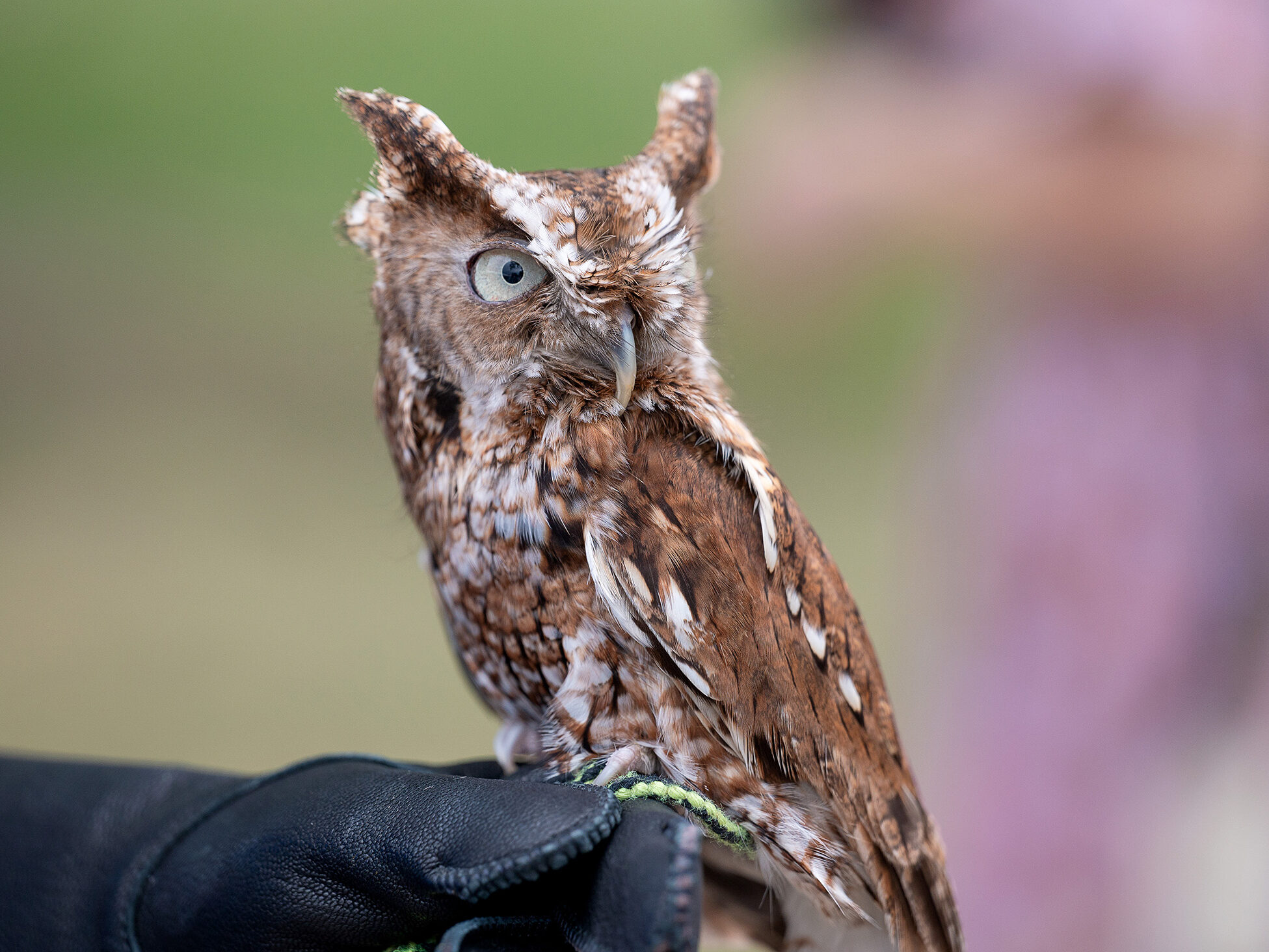
Eastern Screech-Owls are a very common owl species throughout North America, and they have gotten very used to living near humans. These pint-sized owls can be gray or a reddish-brown. They roost and nest in cavities in trees, but also make use of nest boxes. Males are smaller than females, but still have a deeper…
Read More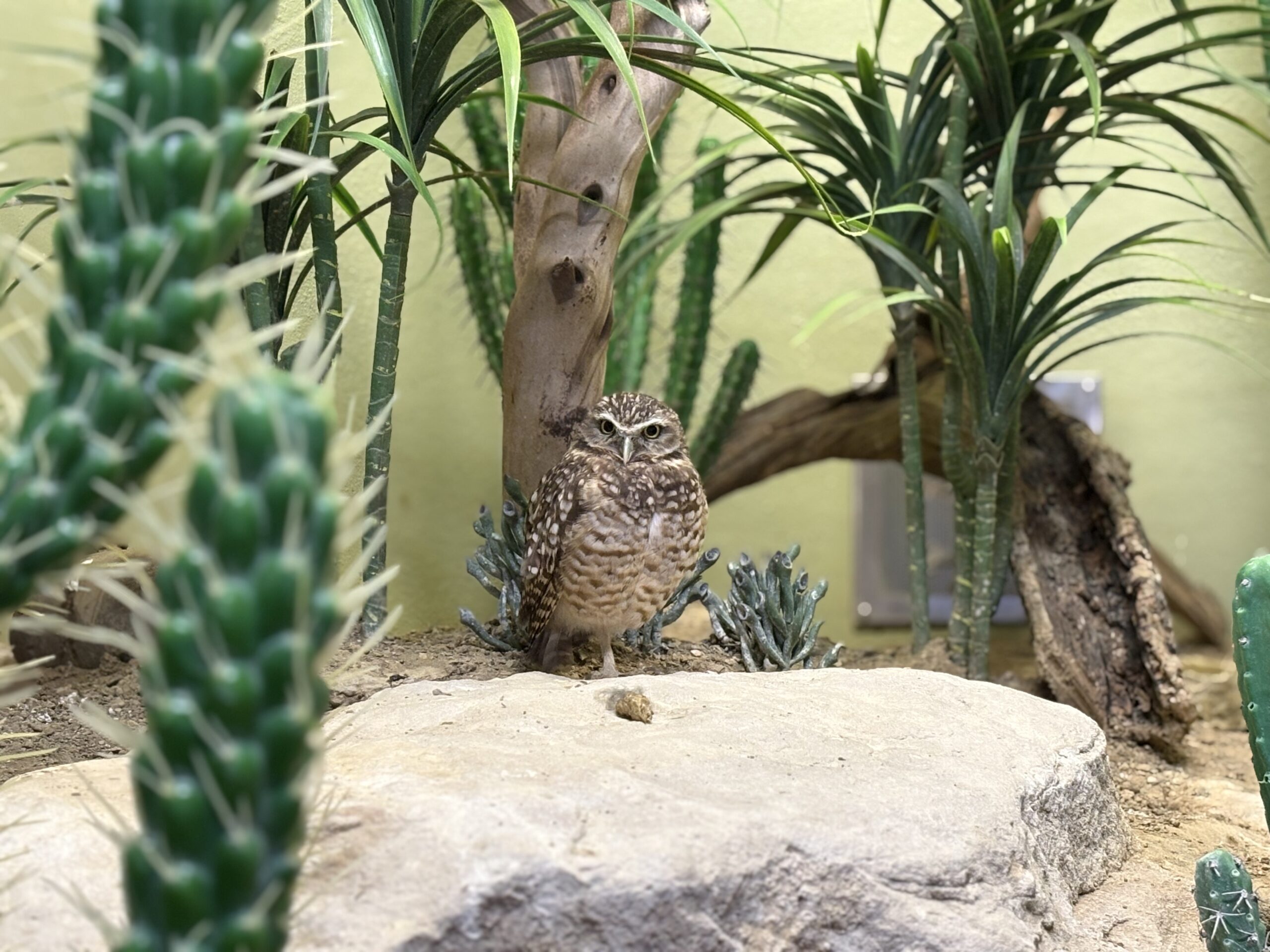
Burrowing Owls are a small, long-legged species of owl that spends the majority of its time on the ground. They are native to open grassland, prairie, and desert habitats and range from southern Canada (where they are considered an endangered species) to the drier habitats of South America. They have also been found nesting in…
Read More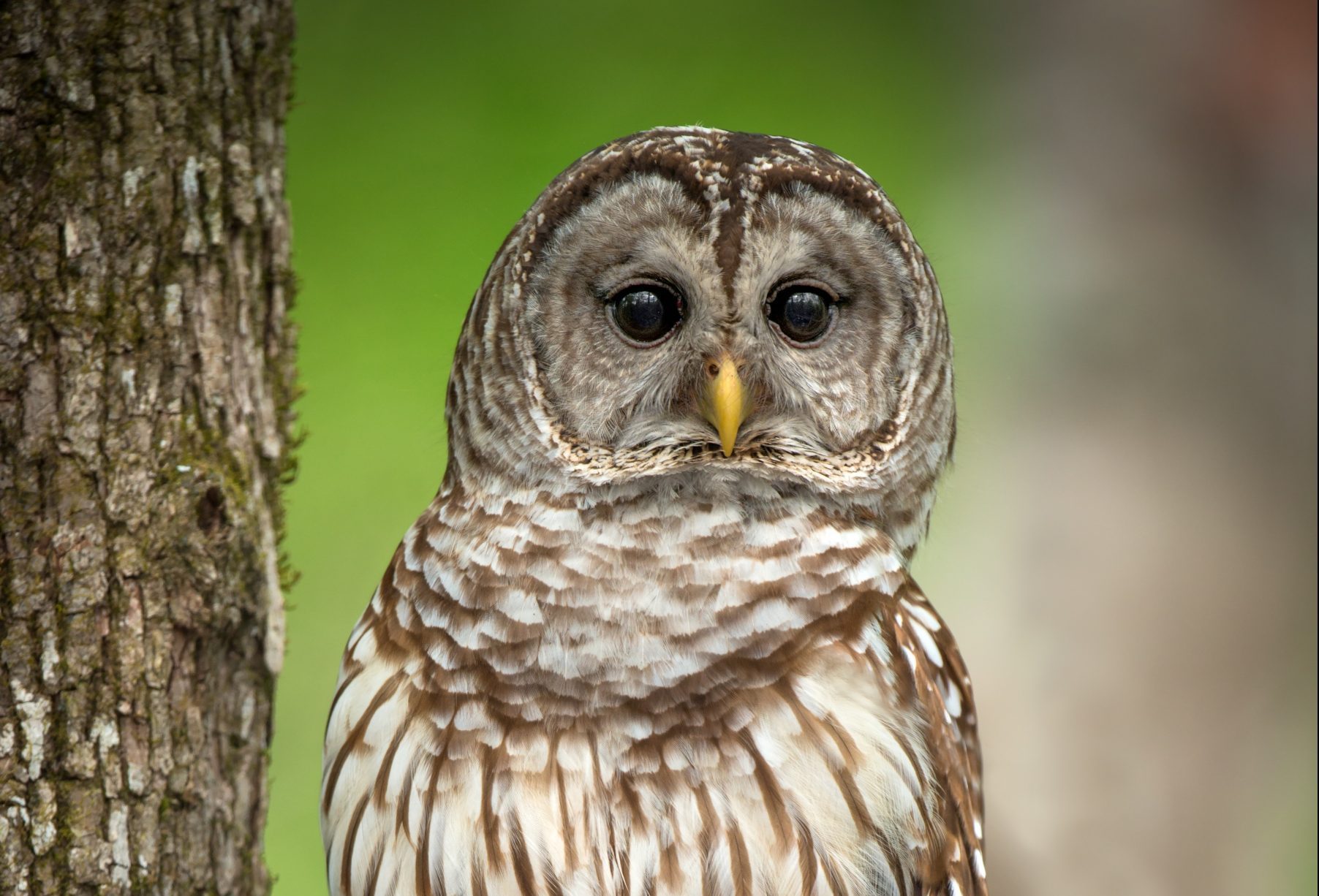
A relatively common Nearctic owl, the Barred Owl inhabits mature mixed deciduous-coniferous forests, often near streams or wooded swamps. This owl nests primarily in cavities, with both parents helping to care for the young until the autumn. Barred Owls have a varied diet of small mammals and birds. Barred Owls are, unfortunately, susceptible to collisions…
Read More