
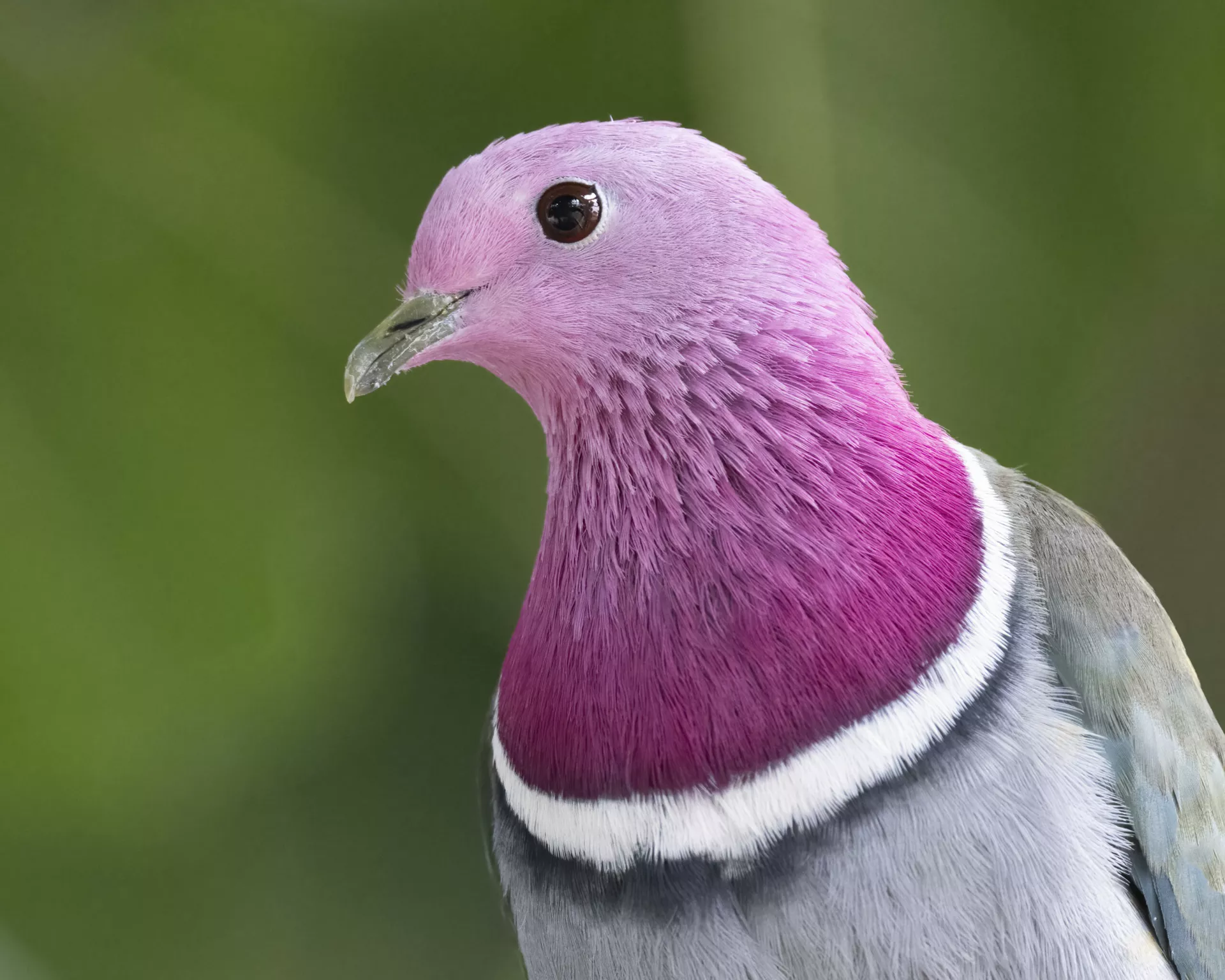
The Pink-headed Fruit-Dove is a stunning resident of the montane forests in high mountains throughout Indonesia. They feed on figs and small berries, staying high up in the forest canopy. This species lays a single egg, which the male incubates during the day and the female at night. While the Pink-headed Fruit-Dove is considered a…
Read More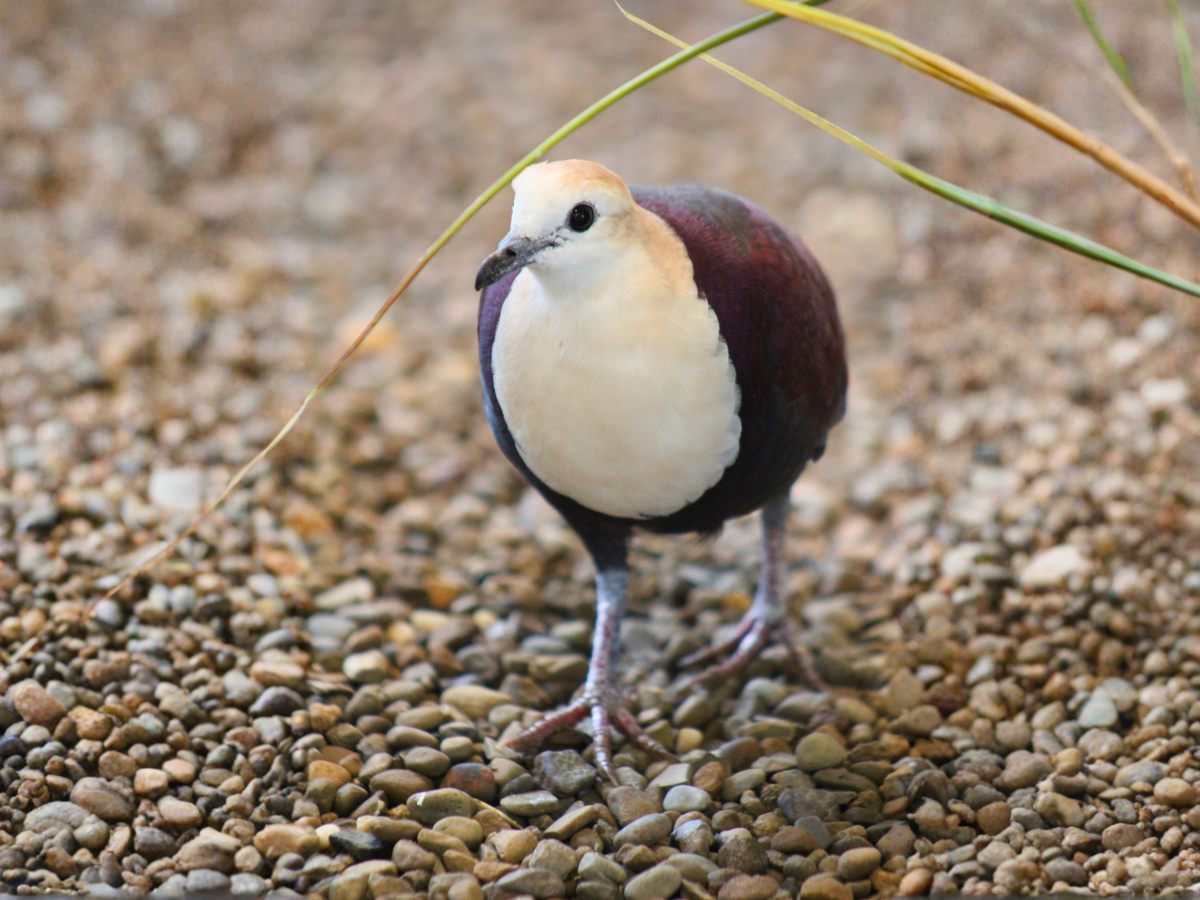
The White-throated Ground Dove is a little known species from the Northern Mariana Islands of the Pacific Ocean. It occurs in all types of forested habitats on several islands in the Mariana Islands chain, and is most abundant on the island of Rota. This species is frugivorous, meaning it primarily eats fruits. Unlike other birds…
Read More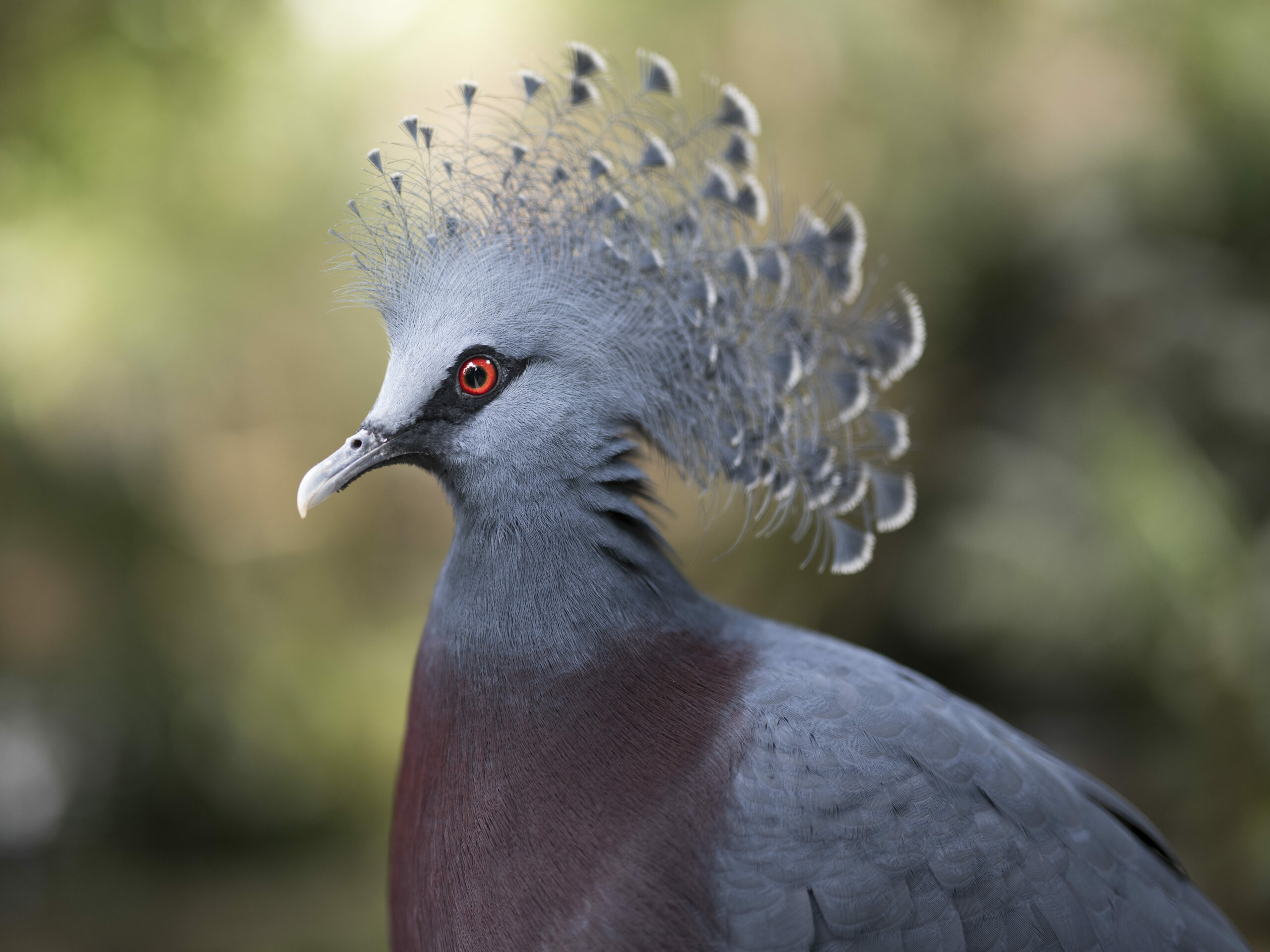
Named for the British Monarch Queen Victoria, the Victoria Crowned Pigeon is without doubt a royal bird. Its dusty blue-grey feathers may remind one of the pigeons found on any city street, but the Crowned Pigeon’s elegant blue lace crest, scarlet eyes, and rakish black mask are unlike anything you’ll find pecking around in the…
Read More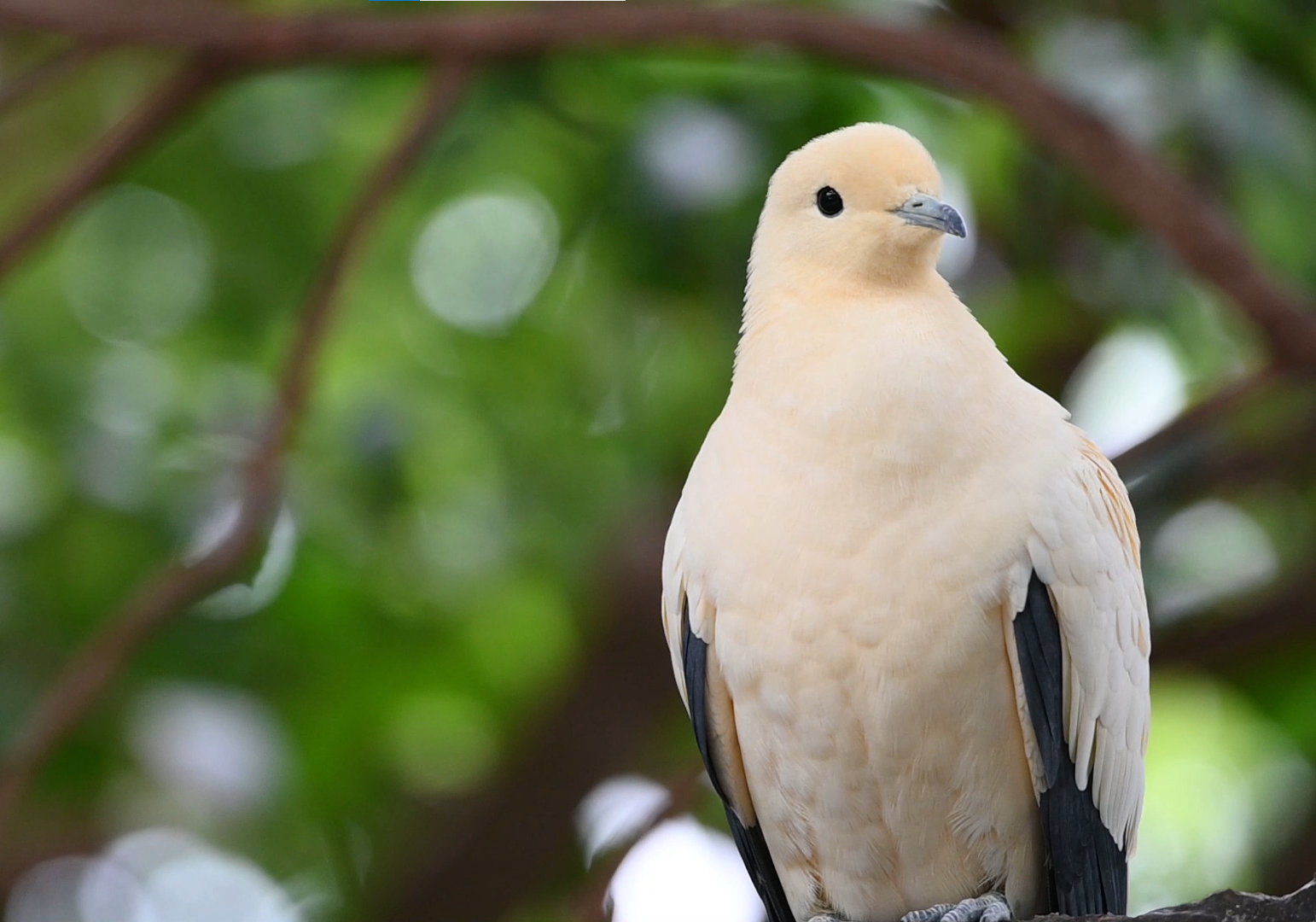
The Pied Imperial-Pigeon is a very large inhabitant of coastal forests, mangroves and coconut plantations, principally on islands in the Indo-Malayan region. This species travels in flocks at dusk and dawn and nests in colonies of up to tens of thousands of birds. They are among the most powerful and agile flyers in the bird…
Read More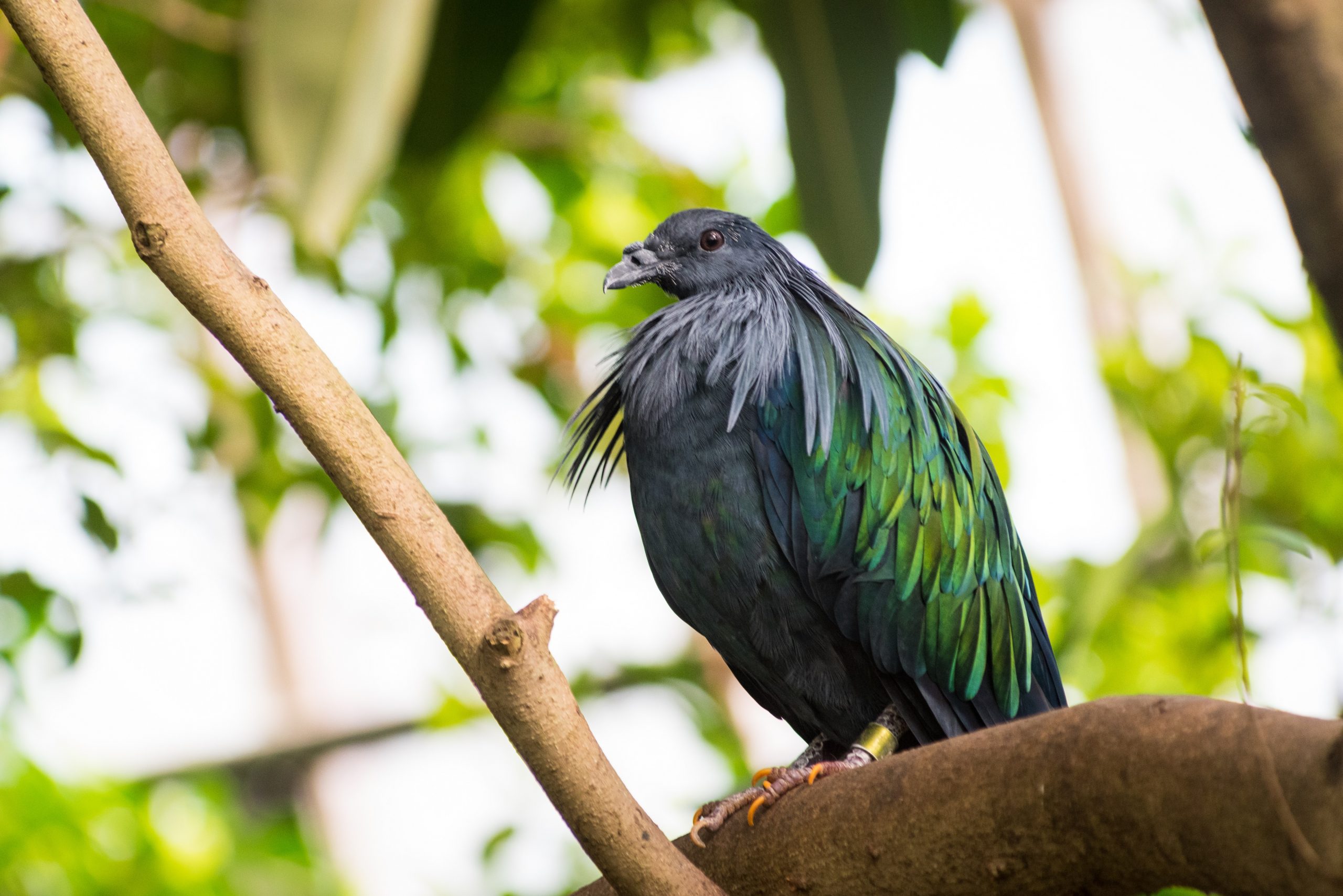
The closest living relative to the now extinct Dodo, the Nicobar Pigeon occurs only on small wooded, often uninhabited islands of the Indo-Malayan region, where it favors lowland habitats such as mangroves, scrub, and lowland and foothill forests. It may also occur in some forests which have been selectively logged. This species nests colonially, with…
Read More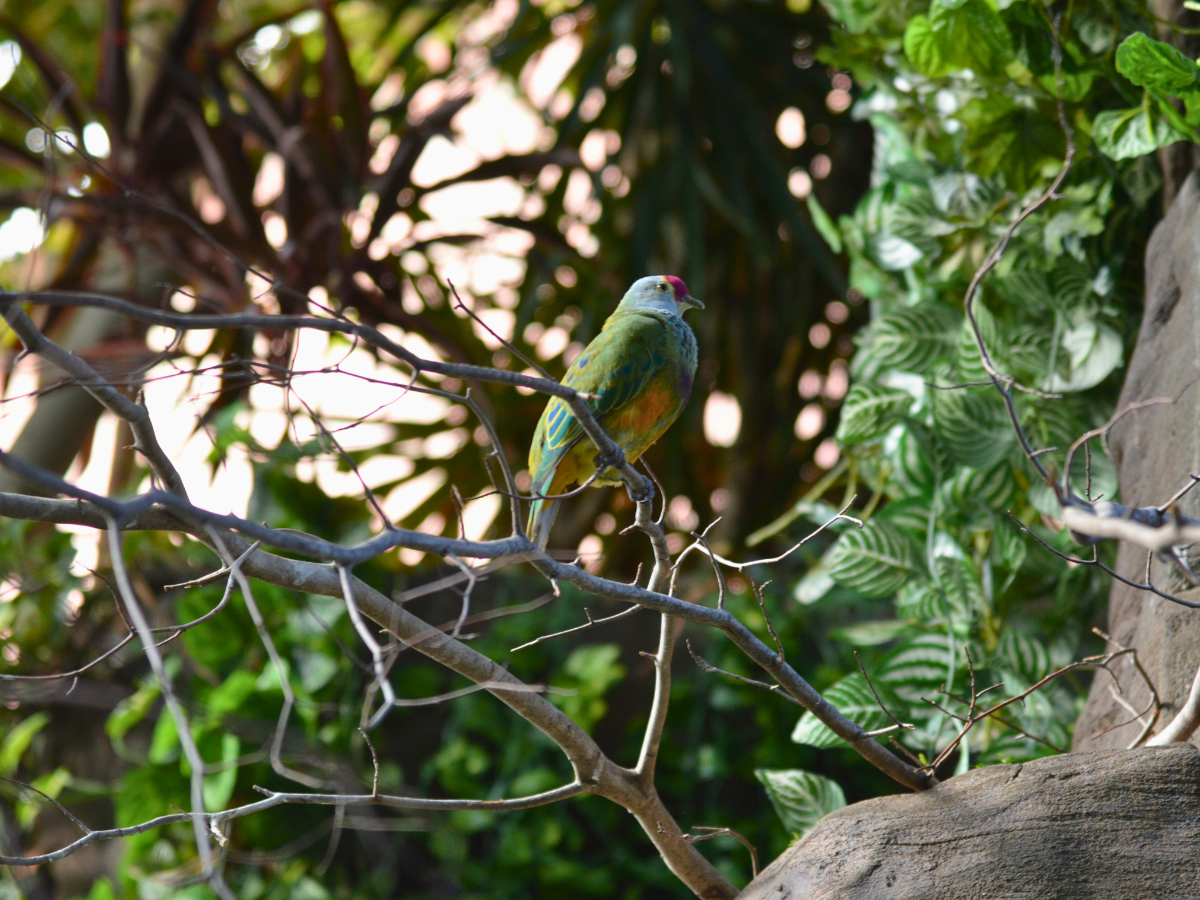
The Mariana Fruit-Dove is a beautiful bird from the Pacific islands. This species is found in various types of forested habitat, but prefers mature native forest where it typically feeds on fruits in the canopy, but may descend to feed in bushes, or even on the ground. They are a secretive species, rarely spotted, and…
Read More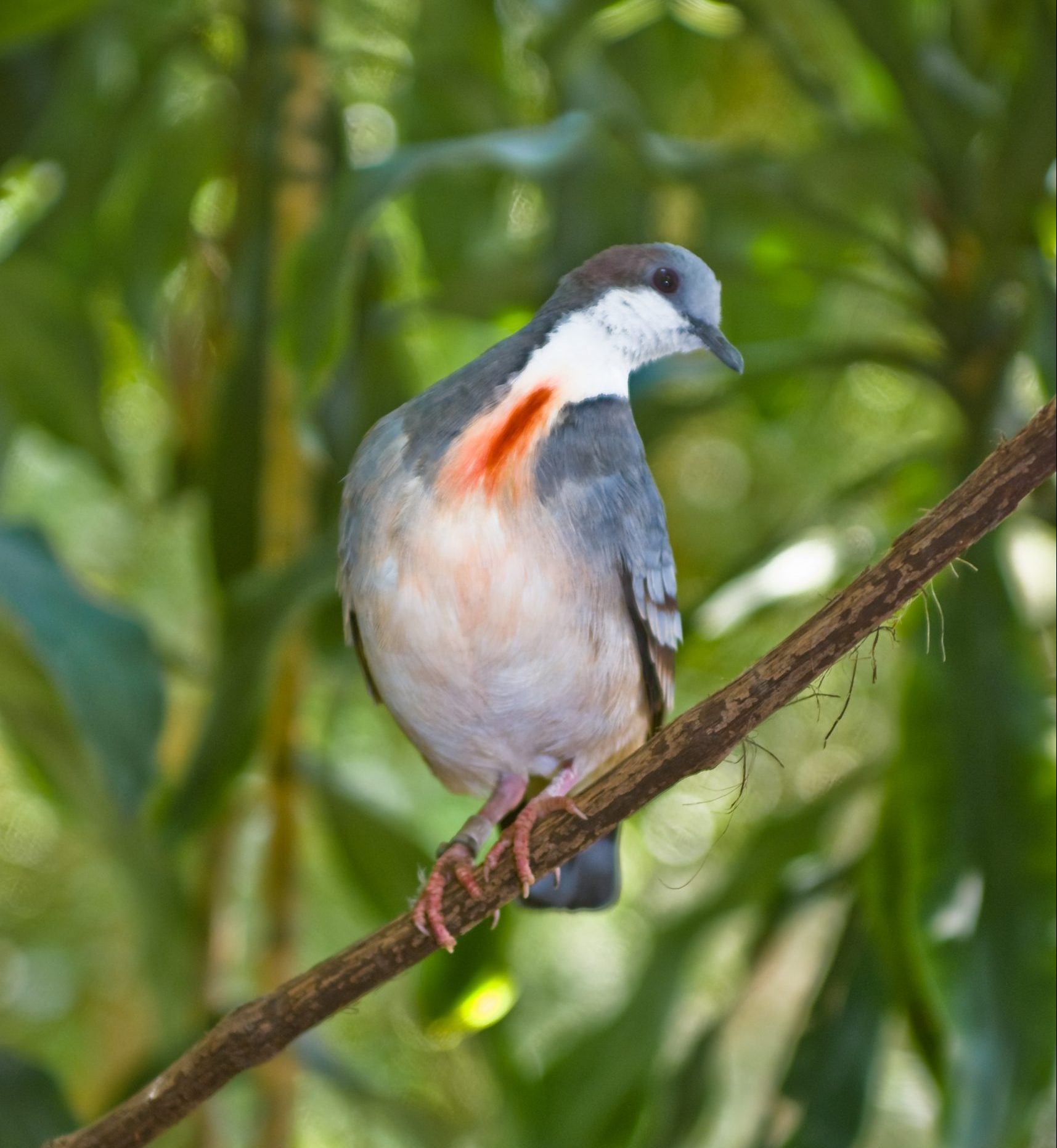
The beautiful Luzon Bleeding-heart gets its name for the scarlet markings on its chest. Found throughout primary and secondary forests in the Philippines, the Luzon Bleeding-heart feeds on seeds, berries, and insects along the forest floor. Their call is a mournful coo. The species is generally considered rare or scarce, and is considered to be…
Read More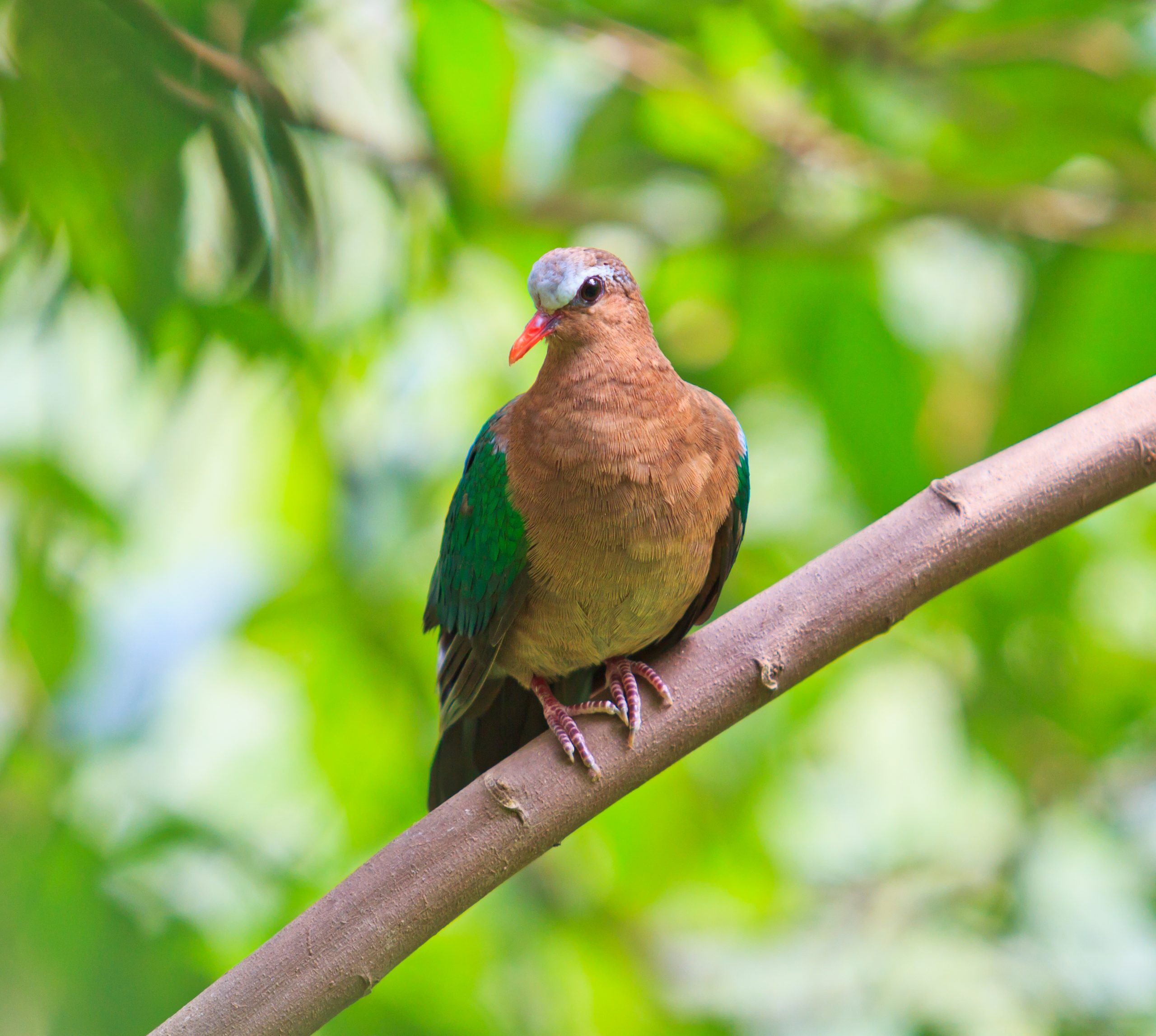
The Grey-capped Emerald Dove, also called the Asian Emerald Dove or the Green-winged Dove, is found in a wide range of forest types, including rainforests, mangroves, and bamboo forests, throughout Southeast Asia. This “pretty pigeon” has very bold, irridescent green wings. Males have a distinctive grey crown and shimmery wings, while females are duller. They…
Read More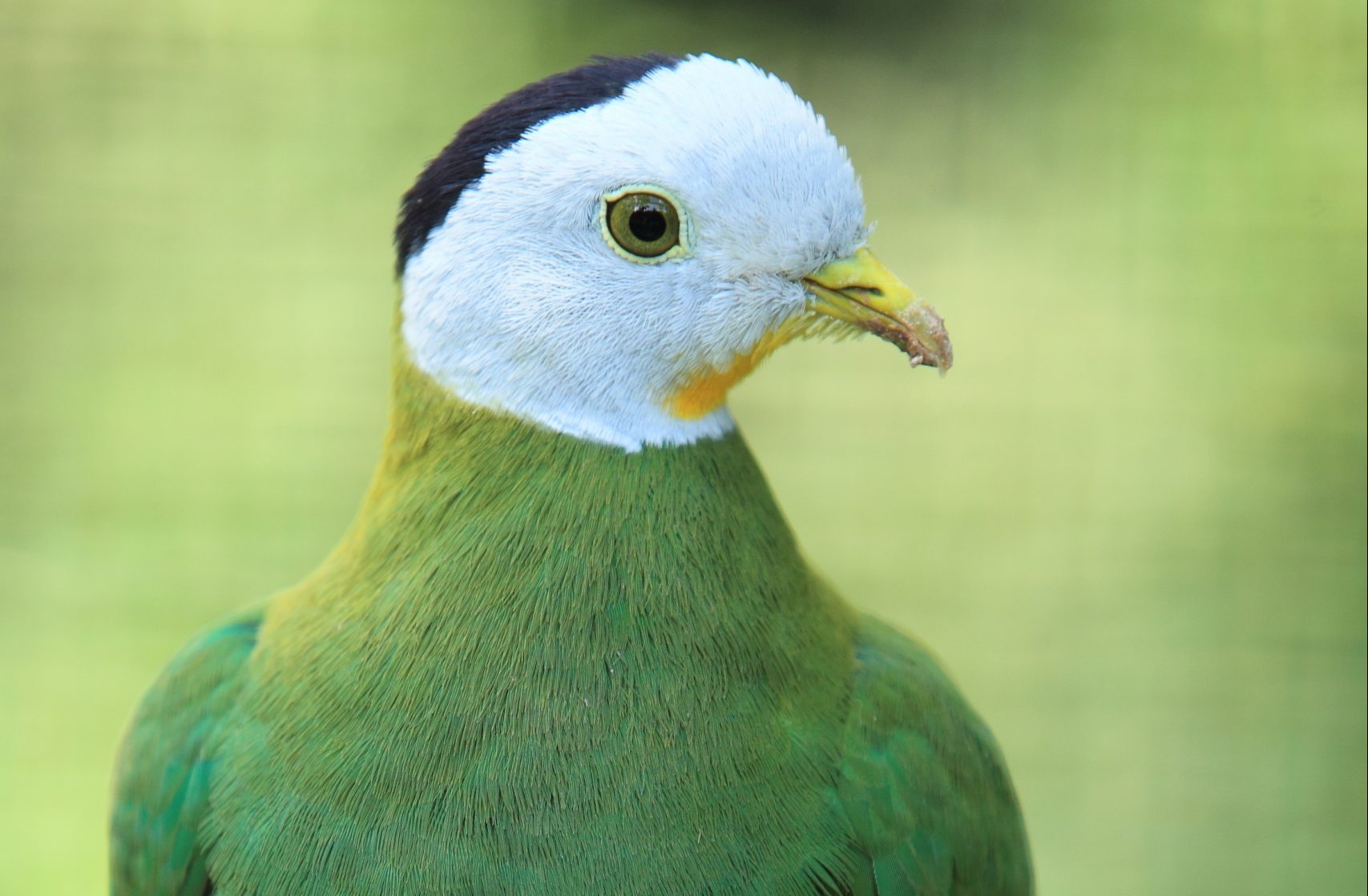
Black-naped Fruit-Doves are colorful birds, common on the islands of Java, Bali, and Sulawesi. Males are a rainbow of colors, with a yellow throat patch, purplish wing tips, red undertail feathers, and a silvery head topped with a black cap. Females are almost entirely green. They forage for berries and fruits in pairs or small…
Read More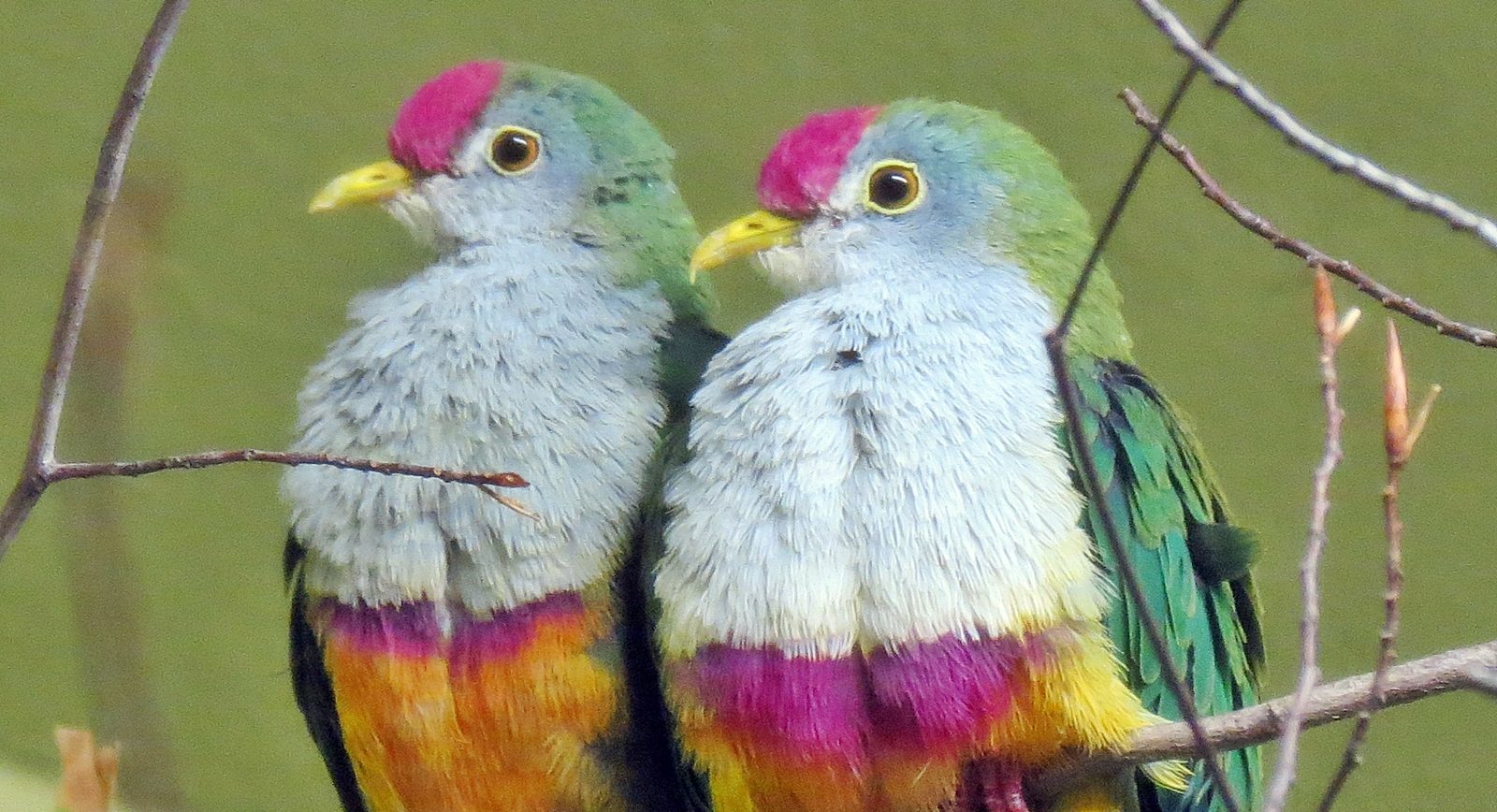
The Beautiful Fruit-Dove is appropriately named! This dove has gorgeous coloring, from its purplish-red crown to its green wings and orange underbelly. The Beautiful Fruit-Dove is found in New Guinea, where it lives in all levels of primary and secondary forests, from understory to canopy. They are frugivorous (fruit-eating), and forage either alone or in…
Read More