Grasslands
The Grasslands is an indoor habitat where small songbirds from around the globe fly freely around you. This recently renovated habitat is a serene, quiet space where the soft chirps, trills, and songs of finches and sparrows surround you. Natural light filters in through skylights above you.
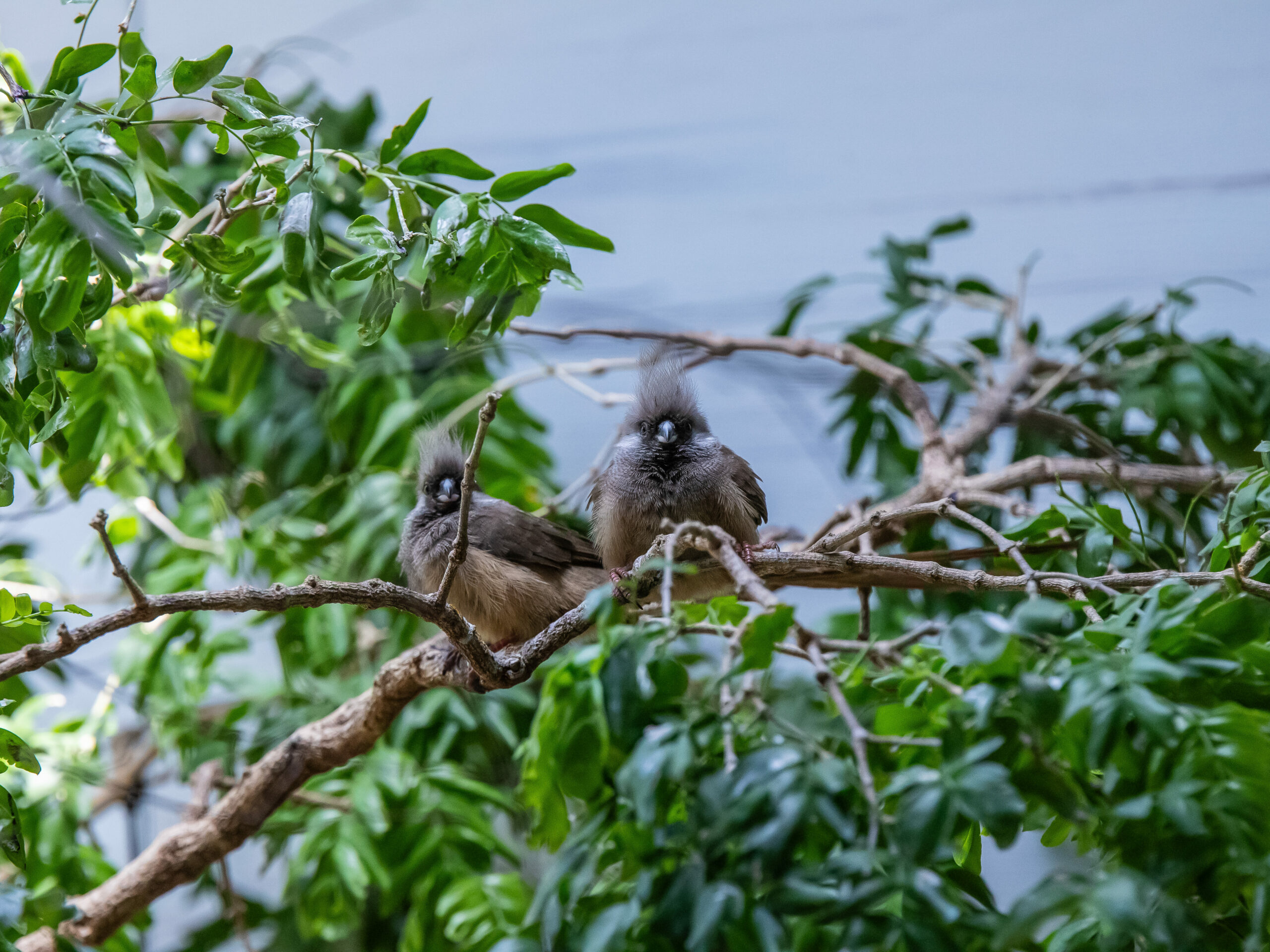
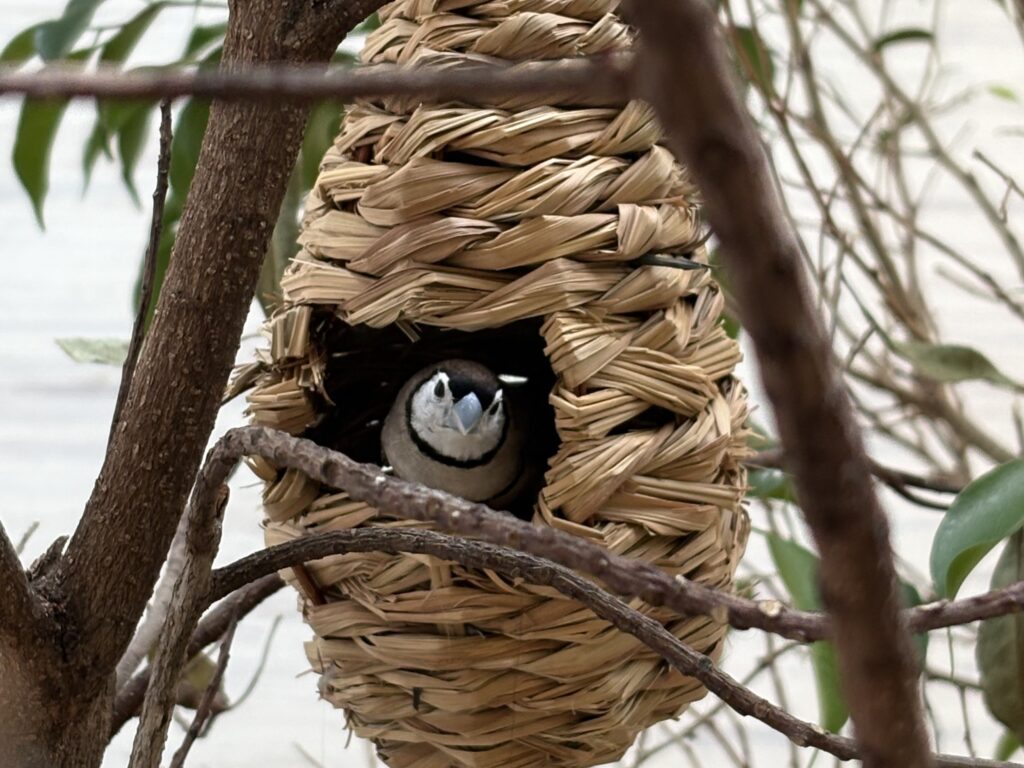
You may see beautiful Green Singing Finches gathering nesting material, or catch the inquisitive Owl Finches peering at you from the branches of trees. Shaft-tailed Finches land on perches close by.
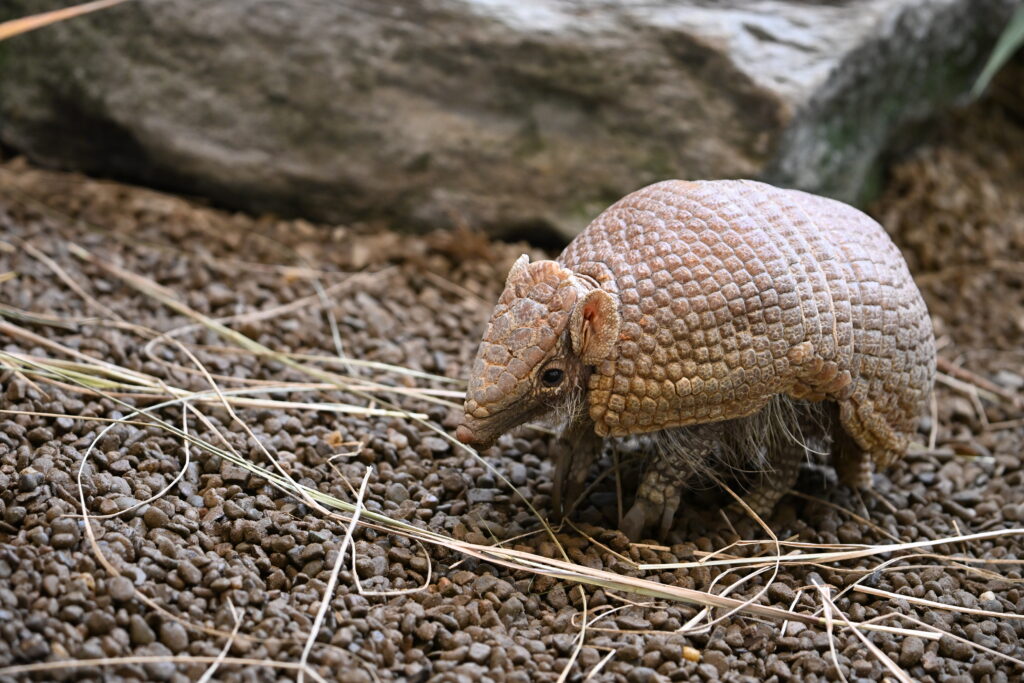
The habitat is also home to a grassland icon, a Southern Three-banded Armadillo! With a tough exterior, surprisingly quick movements, and a strong sense of smell, armadillos are perfectly adapted for life in warm climates such as forests, savannas, and grasslands. These habitats provide an abundance of insects – a staple of an armadillo’s diet – as well as workable ground material that’s ideal for digging with their strong claws.
In 2024, the Grasslands was beautifully revamped, featuring new and improved roofing, additional lush plants and greenery, and new skylight glazing that maximizes UV transmittance for our birds. The National Aviary, including this recent renovation, is supported in part by the taxpayers of Allegheny County through a public grant from the Allegheny Regional Asset District (RAD). RAD works here.
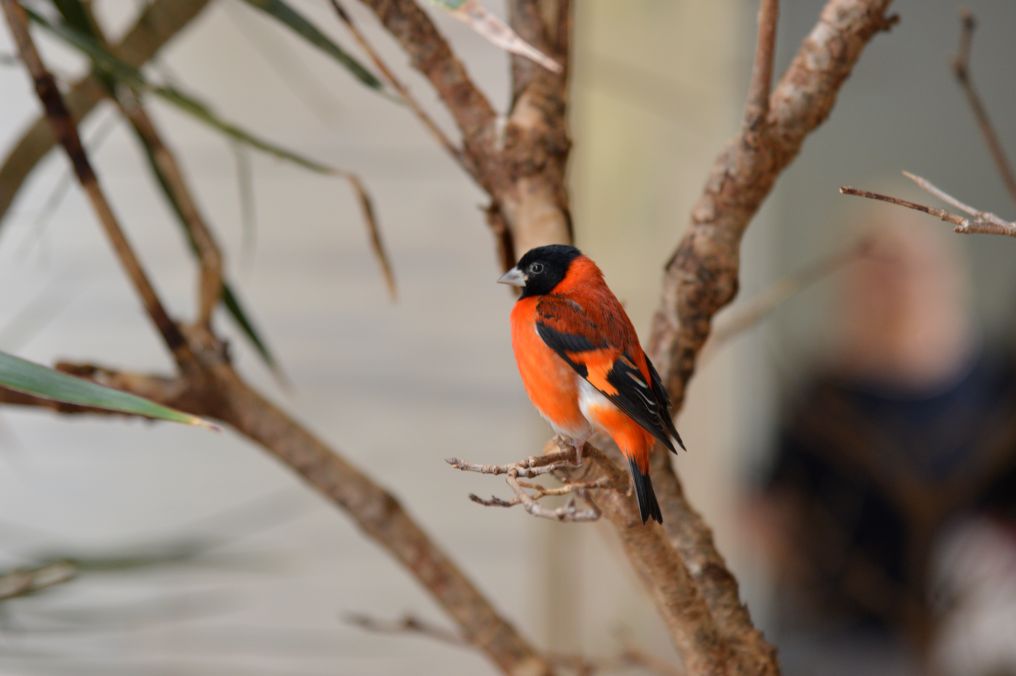
The National Aviary is part of global collaborative program to help save this Endangered species, native to Venezuela, and boost the population. All of the Red Siskins living at the Aviary were hatched in our state-of-the-art Breeding Center!
The plantscape of the Grasslands incorporates inspiration from grassland habitats around the world.
Safeguarding Grasslands
Visitors to Canary’s Call can learn how to be good stewards of our planet, including the conservation of crucial grassland habitats. In addition to carbon storage, these habitats – whether the savannah in Africa, prairies in North America, or downs in Australia – allow rainwater to penetrate into the ground, helping to prevent flooding and maintaining critical water sources for flora and fauna alike. However, grasslands face largely human-caused threats like unsustainable farming practices. Learn how YOU can help protect them, thanks to tips and tricks from the National Aviary Green Team.
Learn MoreUltraviolet (UV) Light Notice: Most birds can see UV light, which provides an array of evolutionary advantages, including enhanced foraging and hunting abilities. With that in mind, we use avian-safe UV lighting in the Grasslands to maximize individual birds’ health and well-being.